






Driving off the beaten path is not about looking rugged or chasing extremes. It is about control, preparation, and knowing exactly what your vehicle and your mindset can handle. The biggest mistakes happen before the engine even starts. Poor prep turns minor obstacles into trip-ending problems. Solid prep turns rough terrain into a calculated challenge.
This guide breaks down what actually matters before you leave pavement behind. No fluff. No gimmicks. Just the essentials that keep you moving and get you back safely.
Contents
- 1 Understanding the Reality of Off-Road Driving
- 2 Vehicle Readiness Comes First
- 3 Recovery Gear Is Not Optional
- 4 Navigation and Route Planning
- 5 Safety, Supplies, and Self-Reliance
- 6 Comfort Matters More Than You Think
- 7 Tools and Maintenance Readiness
- 8 Mental Preparation Is the Hidden Requirement
- 9 Traveling Solo Versus With Others
- 10 Final Prep Before You Roll
Understanding the Reality of Off-Road Driving
Off-road driving is unpredictable by nature. Terrain changes quickly. Weather shifts fast. Cell service disappears without warning. You are responsible for your vehicle, your passengers, and your decisions.
Why Off-Roading Is Different From Normal Driving
On paved roads, mistakes are forgiven. Off-road, small errors compound. A bad line choice can damage suspension. Poor throttle control can bury you. Ignoring terrain can cost hours or days.
You need to think ahead, read the ground, and understand how your vehicle reacts under stress.
Know Your Limits Before You Push Them
Off-road driving rewards patience. Speed is rarely your friend. If something feels wrong, it usually is. Knowing when to stop, reassess, or turn back is not weakness. It is survival.
Vehicle Readiness Comes First
Your vehicle does not need to be extreme, but it does need to be capable. Stock vehicles can go far when properly prepared.
Tires Matter More Than Almost Anything
Tires are your only contact with the ground. Worn or incorrect tires are the fastest way to get stuck.
Look for:
- Adequate tread depth
- Sidewalls designed for rough terrain
- Correct tire pressure for off-road conditions
Lowering tire pressure improves traction, but only if you know how far to go without risking damage.
Suspension and Clearance Basics
Ground clearance determines what you can pass over without damage. Suspension affects how well your vehicle maintains traction and control.
You do not need extreme lift kits, but you do need:
- Healthy shocks and struts
- No sagging springs
- Enough clearance to avoid scraping critical components
Brakes and Steering Must Be Solid
Off-road terrain puts extra stress on steering and brakes. Loose components that feel fine on pavement can fail under load.
Before leaving:
- Inspect brake pads and lines
- Check steering joints and alignment
- Listen for unusual noises during tight turns
Recovery Gear Is Not Optional
Getting stuck is not a question of if. It is when. Recovery gear turns a bad situation into a manageable one.
Essential Recovery Equipment
At minimum, carry:
- A tow strap or recovery rope
- Rated shackles or soft loops
- A shovel
- Traction boards or similar aids
Each item serves a purpose. None of them replace the others.
Learn How to Use What You Carry
Gear is useless without knowledge. Improper recovery techniques cause injuries and vehicle damage.
Before your trip:
- Practice safe recovery methods
- Understand load ratings
- Know where your vehicle’s recovery points are located
Getting lost off-road is easier than people admit. Trails split. Landmarks disappear. GPS signals can be unreliable.
Relying on a single navigation method is risky. Always carry:
- Offline maps on your device
- A physical map of the area
- A basic compass
Know how to use all three before you need them.
Plan for the Exit, Not Just the Destination
The goal is not just reaching the trail. It is getting back. Always plan fuel usage, daylight limits, and alternative routes.
Safety, Supplies, and Self-Reliance
Off-road travel requires self-sufficiency. Help may not come quickly.
Emergency and Survival Essentials
Carry supplies that cover:
- First aid
- Water and food
- Warm clothing
- Basic shelter or emergency blankets
These are not optional extras. They are baseline requirements.
Communication When There Is No Signal
Do not assume your phone will work. Consider:
- Satellite communicators
- Two-way radios
- Sharing your route plan with someone before leaving
Redundancy saves lives.
Comfort Matters More Than You Think
Comfort is not luxury. Fatigue leads to mistakes, and mistakes off-road are costly.
Interior Setup for Long Trail Hours
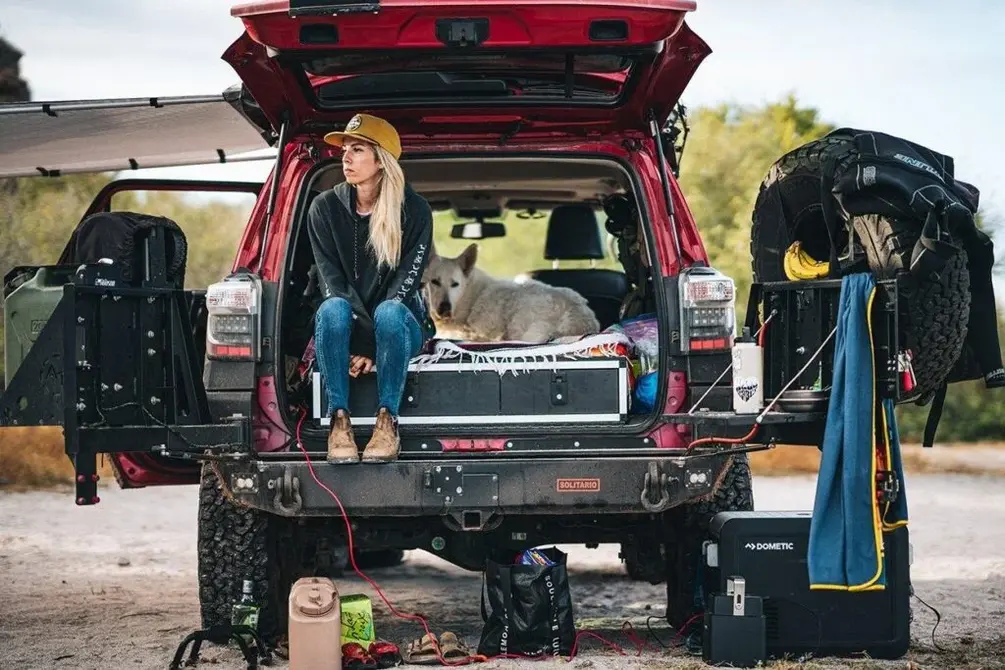
Secure everything inside the vehicle. Loose items become hazards on uneven terrain. Organize gear so you can access what you need without unloading everything.
Keeping the cabin calm helps maintain focus. Even small details like airflow and scent can affect alertness. A subtle car air freshener can make long, dusty hours inside the vehicle more tolerable without becoming distracting.
Driver Focus and Fatigue Management
Take breaks. Switch drivers if possible. Stay hydrated. Off-road driving demands constant attention and slow decision-making.
Tools and Maintenance Readiness
Mechanical issues happen far from help. Basic tools can keep a small issue from becoming a stranded night.
Tools Worth Carrying
Bring tools suited to your vehicle:
- Tire repair kit and air compressor
- Basic hand tools
- Spare fluids
- Duct tape and zip ties
These are temporary solutions, not permanent fixes, but they get you moving.
Pre-Trip Inspection Checklist
Before leaving pavement:
- Check fluid levels
- Inspect belts and hoses
- Test lights and signals
- Verify spare tire condition
Skipping this step is gambling.
Mental Preparation Is the Hidden Requirement
Off-road driving is as much mental as mechanical. Panic, impatience, and ego cause most failures.
Expect Things to Go Wrong
When something goes wrong, slow down. Analyze. React methodically. Rushing recovery or repairs makes situations worse.
Respect the Environment
Stay on designated trails. Avoid damaging terrain. Leave no trace. Responsible off-roaders protect access for everyone else.
Traveling Solo Versus With Others
Both have risks and benefits.
Solo Travel Requires Extra Caution
If you go alone:
- Carry extra supplies
- Avoid unnecessary risks
- Check in regularly with a trusted contact
Group Travel Is Not Foolproof
Groups provide help but also encourage risk-taking. Stick to your comfort level, not the group’s bravado.
Final Prep Before You Roll
Before shifting into low gear:
- Double-check gear security
- Confirm navigation
- Review emergency plans
A prepared driver with a modest vehicle will outperform an unprepared driver with expensive equipment every time. Off-road success comes from discipline, awareness, and respect for the terrain. Preparation is what separates an adventure from a rescue call.