




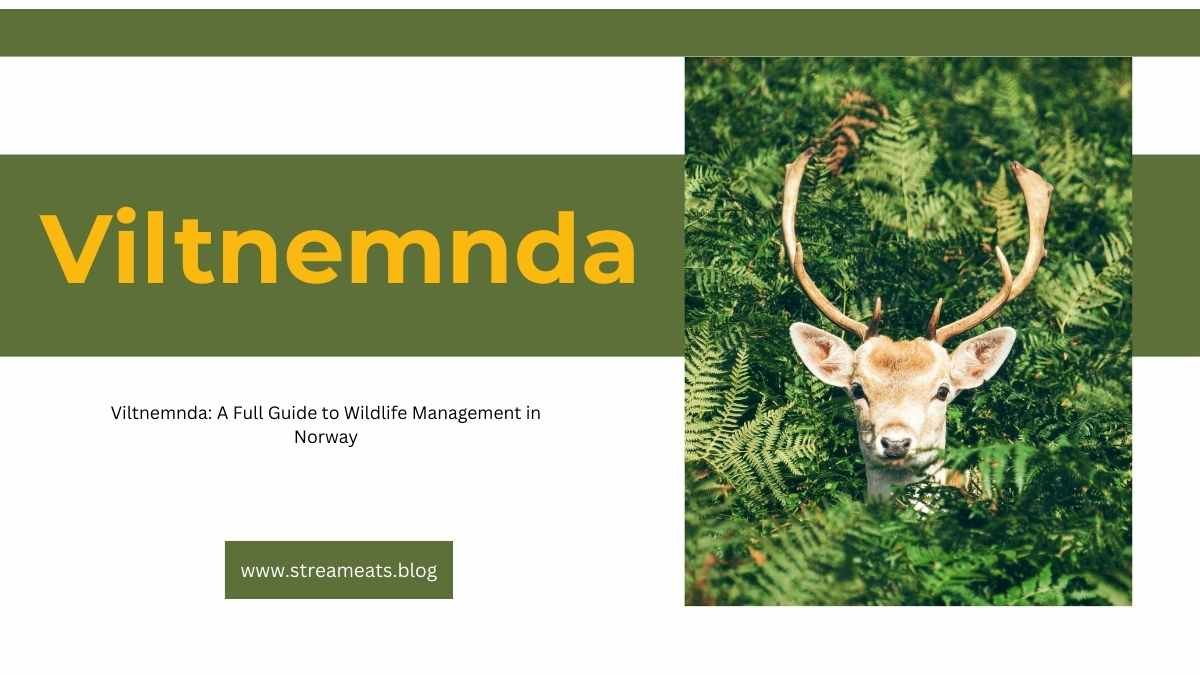
Viltnemnda is a term that refers to local wildlife boards or committees in Norway. These committees are responsible for regulating and overseeing wildlife management across the country. With their focus on maintaining a balance between conservation efforts, wildlife protection, and regulated hunting, Viltnemnda plays a crucial role in preserving Norway’s rich natural heritage.
In this article, we will explore the key functions of Viltnemnda, its importance in various regions, and how it operates in different municipalities like Viltnemnda Ringsaker, Viltnemnda Møre og Romsdal, and Viltnemnda Rogaland. Additionally, we will provide information on how individuals can get i.n touch with these committees for assistance or inquiries..
Keep exploring—there’s more valuable content ahead
Contents
- 1 What Is Viltnemnda? An Overview of its Function and Importance
- 2 The Role of Viltnemnda in Various Regions of Norway
- 3 How to Contact Viltnemnda: Reach Out to Your Local Committee
- 4 The Importance of Viltnemnda in Wildlife Conservation
- 5 Modern Technology and Its Role in Viltnemnda Operations
- 6 Why Viltnemnda Matters: Community and Economic Impact
- 7 Conclusion: Viltnemnda – Ensuring Sustainable Wildlife Management in Norway
What Is Viltnemnda? An Overview of its Function and Importance
Viltnemnda refers to organized bodies that manage wildlife conservation, regulate hunting practices, and ensure that hunting is done sustainably. These committees play an instrumental role in protecting the flora and fauna of Norway by balancing ecological sustainability with human interactions.
The Core Functions of Viltnemnda
- Wildlife Conservation: A primary responsibility of Viltnemnda is to ensure that wildlife populations in their region remain healthy and sustainable. This includes protecting endangered species, regulating hunting seasons, and preserving natural habitats.
- Hunting Regulation: These committees control hunting of animals to prevent overhunting and promote sustainable practices. They set hunting quotas, issue permits, and enforce hunting guidelines.
- Conflict Resolution: As human activities increasingly encroach upon wildlife habitats, Viltnemnda helps mitigate conflicts between humans and animals, such as compensating farmers for wildlife damage or developing strategies to reduce conflicts.
The Role of Viltnemnda in Various Regions of Norway
Different regions in Norway have unique wildlife and ecosystems. As a result, the role of Viltnemnda can vary based on local needs, natural resources, and wildlife challenges. Below, we examine how Viltnemnda operates in some key regions of Norway.
Viltnemnda in Ringsaker: Protecting Forest and Game Species
In the region of Ringsaker, Viltnemnda plays a vital role in managing forest and game species, particularly focusing on the management of deer populations. This area is known for its lush forests, and Viltnemnda ensures that sustainable hunting practices are followed to prevent the depletion of local wildlife.
- Species Managed: Deer, wild boar, and small game species.
- Key Efforts: Educating hunters about responsible practices, wildlife habitat conservation, and monitoring wildlife populations.
Viltnemnda in Møre og Romsdal: Managing Marine and Terrestrial Wildlife
Viltnemnda in Møre og Romsdal is responsible for managing the region’s diverse ecosystems, which include both coastal areas and mountainous terrain. The committee focuses on conserving marine species, such as fish populations, while also managing land-based game species.
- Challenges: Balancing marine life conservation with preserving terrestrial wildlife and hunting.
- Focus: Promoting sustainable fishing and hunting, preserving coastal habitats, and reducing overfishing.
Viltnemnda in Rogaland: Sustainable Fishing and Hunting Practices
In Rogaland, Viltnemnda focuses on regulating both hunting and fishing practices. The region’s extensive coastal areas require the committee to pay particular attention to fish populations, while its inland forests demand effective management of terrestrial game species.
- Key Areas of Concern: Sustainable fisheries management, preventing overhunting of game species like moose, and educating the public on conservation.
- Collaboration: Working with local fisheries to monitor fish stocks and hunting groups to ensure ethical practices.
How to Contact Viltnemnda: Reach Out to Your Local Committee
If you’re looking to get in touch with your local Viltnemnda, the process is simple. Most committees, such as Viltnemnda Mo i Rana or Viltnemnda Porsgrunn, provide direct contact details via their municipal websites or dedicated phone lines. Here’s how you can reach out:
Methods of Contact
- By Phone: Find the contact number for your local Viltnemnda by visiting the relevant municipal website or searching for Viltnemnda telefon.
- Online Forms and Emails: Many committees offer online forms where you can submit inquiries or requests. This is useful if you’re seeking information about hunting licenses or wildlife regulations.
- Physical Visit: You can also visit your local municipality office to speak with a representative from Viltnemnda.
Common Queries You Can Address
- How to apply for hunting permits.
- How to report wildlife damage.
- Rules and regulations on hunting seasons.
The Importance of Viltnemnda in Wildlife Conservation
Biodiversity Preservation
The importance of Viltnemnda goes beyond hunting regulations. These committees are at the heart of preserving Norway’s rich biodiversity. By protecting various species and their natural habitats, Viltnemnda ensures that wildlife thrives for future generations.
Example: Viltnemnda Sør Odal’s efforts to protect local bird species have been pivotal in maintaining the region’s ecological balance.
Addressing Human-Wildlife Conflicts
In cities like Viltnemnda Sandnes and Viltnemnda Kristiansand, urban expansion has led to increased encounters between humans and wildlife. These committees work tirelessly to reduce human-wildlife conflicts, offering solutions such as compensation for damaged crops or devising methods to prevent animals from entering populated areas. Click For More About Vlitnemnda
Promoting Sustainable Hunting Practices
Sustainable hunting is one of the core tenets of Viltnemnda. In areas like Viltnemnda Tromsø and Viltnemnda Telemark, hunters are educated on how to track game populations and hunt sustainably. This ensures that local wildlife is not endangered while preserving hunting traditions.
Modern Technology and Its Role in Viltnemnda Operations
In recent years, modern technologies such as GPS tracking, drones, and wildlife cameras have revolutionized how Viltnemnda monitors and manages wildlife populations. These advancements make it easier to track animal movements, observe wildlife behaviors, and detect illegal hunting activities.
How Technology is Used
- GPS Tracking: Tracking animal movements helps Viltnemnda understand migration patterns and adjust hunting regulations accordingly.
- Drones: Drones are used for surveillance and monitoring remote areas that are difficult to access on foot.
Why Viltnemnda Matters: Community and Economic Impact
The role of Viltnemnda extends beyond wildlife management. By regulating hunting and promoting conservation, these committees help safeguard the livelihoods of local communities. Regions like Viltnemnda Moss and Viltnemnda Arendal benefit from regulated hunting seasons, which boost local tourism and create jobs.
Economic Benefits
- Wildlife Tourism: Sustainable wildlife practices foster eco-tourism, bringing visitors to the region for wildlife watching and responsible hunting.
- Job Creation: The wildlife industry, including conservationists, gamekeepers, and tour guides, provides employment opportunities in rural areas.
Conclusion: Viltnemnda – Ensuring Sustainable Wildlife Management in Norway
The work done by Viltnemnda is vital to maintaining the delicate balance between wildlife conservation and sustainable human activities. Whether in Viltnemnda Ringerike, Viltnemnda Møre og Romsdal, or Viltnemnda Stavanger, these committees are integral in preserving Norway’s biodiversity and ensuring that wildlife remains a part of the country’s future. By engaging with your local committee, you can contribute to preserving Norway’s rich natural heritage for future generations.
For anyone interested in learning more about wildlife management or seeking advice from their local Viltnemnda, the contact details are readily available online, or you can directly reach them through Viltnemnda telefon numbers.
Uncover standout ideas in our featured post—your next inspiration is here.