




As electric vehicles continue to rise in popularity, more homeowners are investing in home charging stations to enjoy faster, more convenient charging. In the U.S. alone, residential EV charger installations increased by over 35% in 2024, and the demand is projected to grow even higher in 2025. While installing a home charger offers major benefits, safety should always be the top priority.
Understanding the essential safety guidelines for EV charger installation can help homeowners avoid electrical hazards, ensure proper functionality, and protect both the home and the vehicle.
Here are the top EV charger safety practices every homeowner should know.
Contents
- 1 Understand the Basics of EV Charger Levels
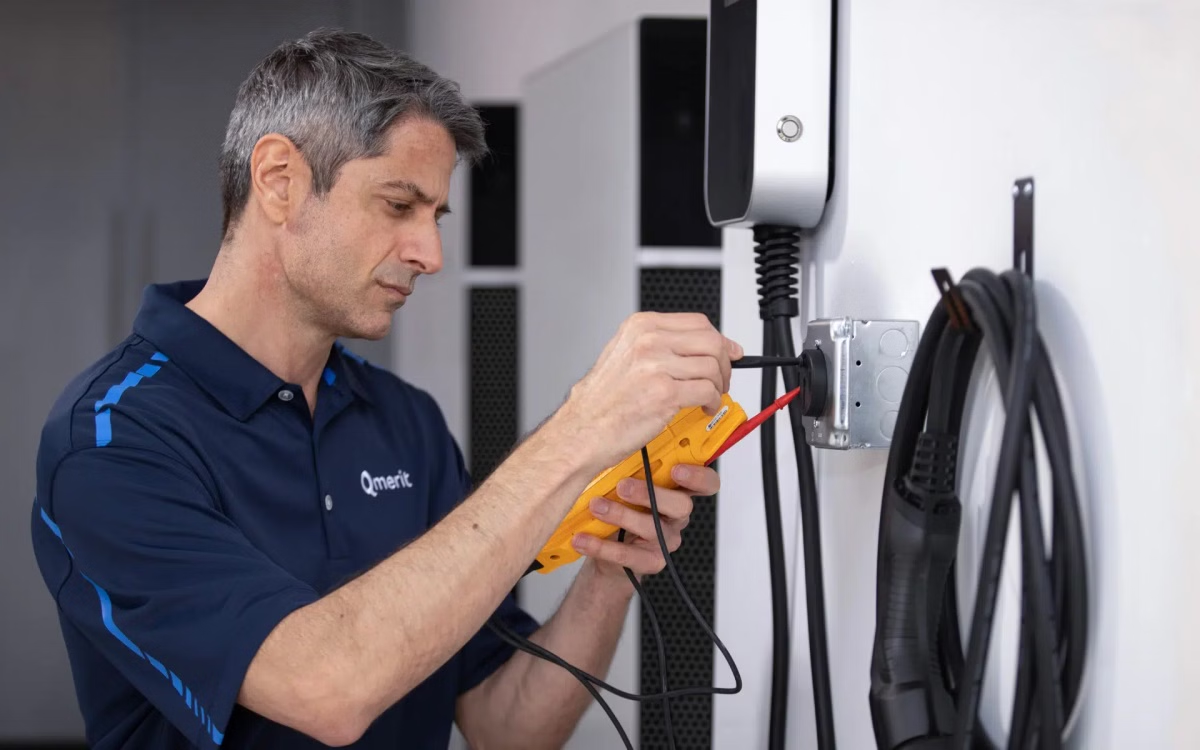
- 2 Hire a Licensed Electrician for EV Charger Installation
- 3 Check Your Electrical Panel Capacity
- 4 Use a Dedicated Circuit for Your EV Charger
- 5 Install a Properly Rated Outlet or Hardwired Connection
- 6 Ensure Proper Ventilation Around the Charger
- 7 Choose a Charger With Safety Certifications
- 8 Protect Your Charger From Weather Exposure
- 9 Use Surge Protection to Protect Your Charger and EV
- 10 Regularly Inspect and Maintain Your Charger
- 11 Follow Manufacturer Guidelines for Safe Use
- 12 Final Thoughts: Prioritizing Safety During EV Charger Installation
Understand the Basics of EV Charger Levels
Before diving into installation safety, it’s important to understand the different charger types:
Level 1 Chargers (120V)
- Plug into a standard household outlet
- Add about 2–5 miles of range per hour
- Lowest risk and simplest setup
Level 2 Chargers (240V)
- Require a dedicated 240V circuit
- Add 20–60 miles of range per hour
- The most common choice for home installation
Level 2 chargers provide more power and require professional installation to ensure safety and code compliance.
Hire a Licensed Electrician for EV Charger Installation
This is the most important safety rule of all. Level 2 chargers involve high-voltage electricity, meaning improper installation can lead to:
- Electrical fires
- Shock hazards
- Overloaded circuits
- Damage to your EV battery
A licensed electrician ensures:
- Proper wiring and grounding
- Compliance with NEC (National Electrical Code)
- Safe breaker sizing and circuit protection
- Correct voltage output
In 2025, almost 80% of EV charger installation issues reported by service companies were linked to DIY or uncertified electrical work. Hiring a professional eliminates this risk.
Check Your Electrical Panel Capacity
Many older homes do not have enough electrical capacity for a Level 2 charger, which typically requires a 40–60 amp dedicated circuit. Before installation:
- Check your panel’s total amperage (often 100A or 150A in older houses; 200A in newer ones).
- Ensure the panel can support additional load.
- Upgrade the panel if needed.
Electrical overload is one of the top causes of household fires, so ensuring proper capacity prevents dangerous overheating.
Use a Dedicated Circuit for Your EV Charger
Sharing a circuit with other appliances is a major safety violation. A Level 2 charger must have its own dedicated breaker. This prevents:
- Circuit tripping
- Overloaded wiring
- Power fluctuations
A dedicated circuit also ensures your charger delivers consistent power without interruptions.
Install a Properly Rated Outlet or Hardwired Connection
Depending on your charger model, you may need:
- A NEMA 14-50 outlet
- A NEMA 6-50 outlet
- A hardwired connection directly to your breaker panel
Make sure all outlets:
- Are properly grounded
- Are installed at a safe height
- Meet local electrical code requirements
Improper outlets are responsible for over 500 electrical incidents yearly, according to safety reports.
Ensure Proper Ventilation Around the Charger
EV chargers generate heat during operation. While most modern chargers have built-in thermal protection, installation in a confined or poorly ventilated area may increase the risk of overheating.
Ideal locations include:
- Open garages
- Carports
- Exterior walls
- Well-ventilated utility rooms
Avoid installing chargers near flammable materials or extremely hot locations.
Choose a Charger With Safety Certifications
When selecting a charger, make sure it meets established safety standards:
- UL Listed
- ETL Certified
- Energy Star Rated
- NEMA-rated enclosure
In 2025, more than 92% of homeowners choose UL-listed chargers because they meet strict electrical safety requirements.
Protect Your Charger From Weather Exposure
If your EV charger installation is outdoors, weather protection is essential. Choose chargers rated for outdoor use, ideally with:
- NEMA 4 or NEMA 4X weatherproof rating
- UV-resistant cable insulation
- Corrosion-resistant casing
Outdoor-rated chargers can withstand:
- Heavy rain
- Florida humidity
- Dust
- Temperature swings
Never install an indoor-rated charger outside—it can lead to water intrusion and potentially dangerous electrical shorts.
Use Surge Protection to Protect Your Charger and EV
Surge protectors are strongly recommended for EV charger installations. Lightning strikes and power grid fluctuations can send voltage spikes that damage:
- Your charging station
- Your electric vehicle
- Your home electrical system
A whole-home surge protector costs far less than replacing a damaged EV battery or charging unit.
Regularly Inspect and Maintain Your Charger
Just like any electrical appliance, EV chargers can wear over time. Monthly checks help prevent issues:
- Examine the cable for cracks or fraying
- Look for signs of overheating or discoloration
- Inspect the outlet or connector for damage
- Listen for unusual noises during charging
- Make sure the breaker hasn’t tripped
Most manufacturers recommend annual professional inspections to keep warranties valid.
Follow Manufacturer Guidelines for Safe Use
Always review the instructions provided with your charger. These guidelines cover:
- Proper mounting height
- Safe charging practices
- Cleaning and care instructions
- Recommended charging times
Ignoring these instructions may void warranties or lead to unsafe charging conditions.
Final Thoughts: Prioritizing Safety During EV Charger Installation
A home charging station offers unmatched convenience, but electrical safety should always come first. By hiring a certified electrician, ensuring proper electrical capacity, protecting the charger from weather and surges, and following all manufacturer guidelines, homeowners can enjoy fast and reliable charging without risks.
A safe and properly planned ev charger installation not only protects your home—it extends the lifespan of your charger and your electric vehicle.